
Colorado River Guided Rafting
The Colorado River is one of North America’s most iconic waterways. It carved the continent’s deepest canyons, sustained thriving Indigenous cultures, fueled Western exploration, and created some of the most legendary whitewater on earth. Today, it stands as a premier rafting destination, offering everything from calm family floats to massive Class V rapids.
Mild to Wild Rafting and Jeep Tours operates on four of the river’s most spectacular stretches. These include the Upper Colorado River near Kremmling, Ruby Horsethief Canyon near Grand Junction, the Castle Valley and Fisher Towers section near Moab, and the world famous Cataract Canyon in Canyonlands National Park. Together, these runs showcase the full range of Colorado River rafting with experiences that are gentle, scenic, splashy, and truly wild.
Looking for rafting specifically in Moab? Explore our Moab White Water Rafting page.
- Trip options for families, first timers, experienced rafters, and adventure enthusiasts
- Single day and multi-day trip options
- Stunning canyons exposing more than a billion years of geological history
- Professional, interpretive, and entertaining guides
- Sandy beaches and world class hikes
- Opulent archeological history and artifacts
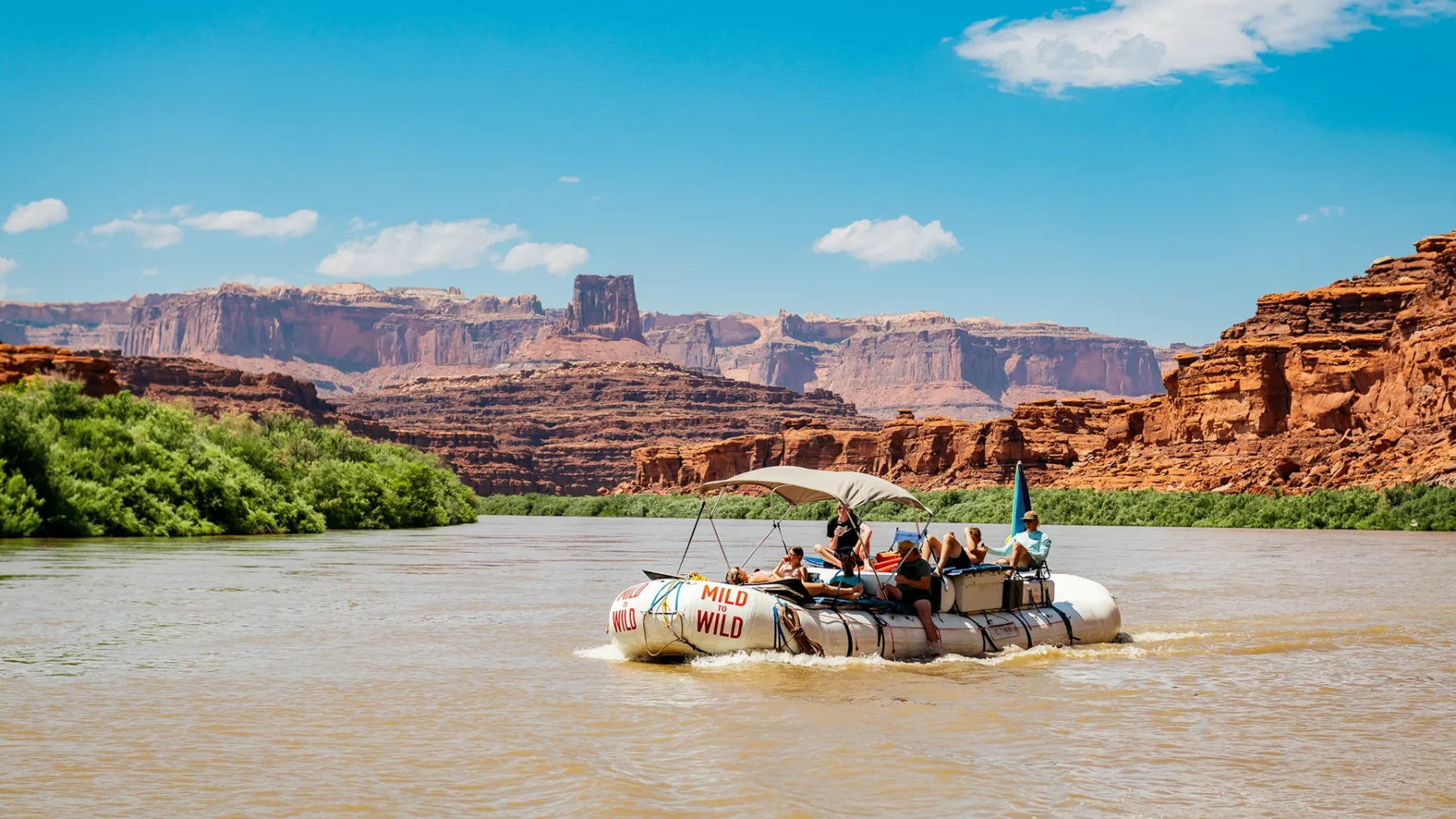
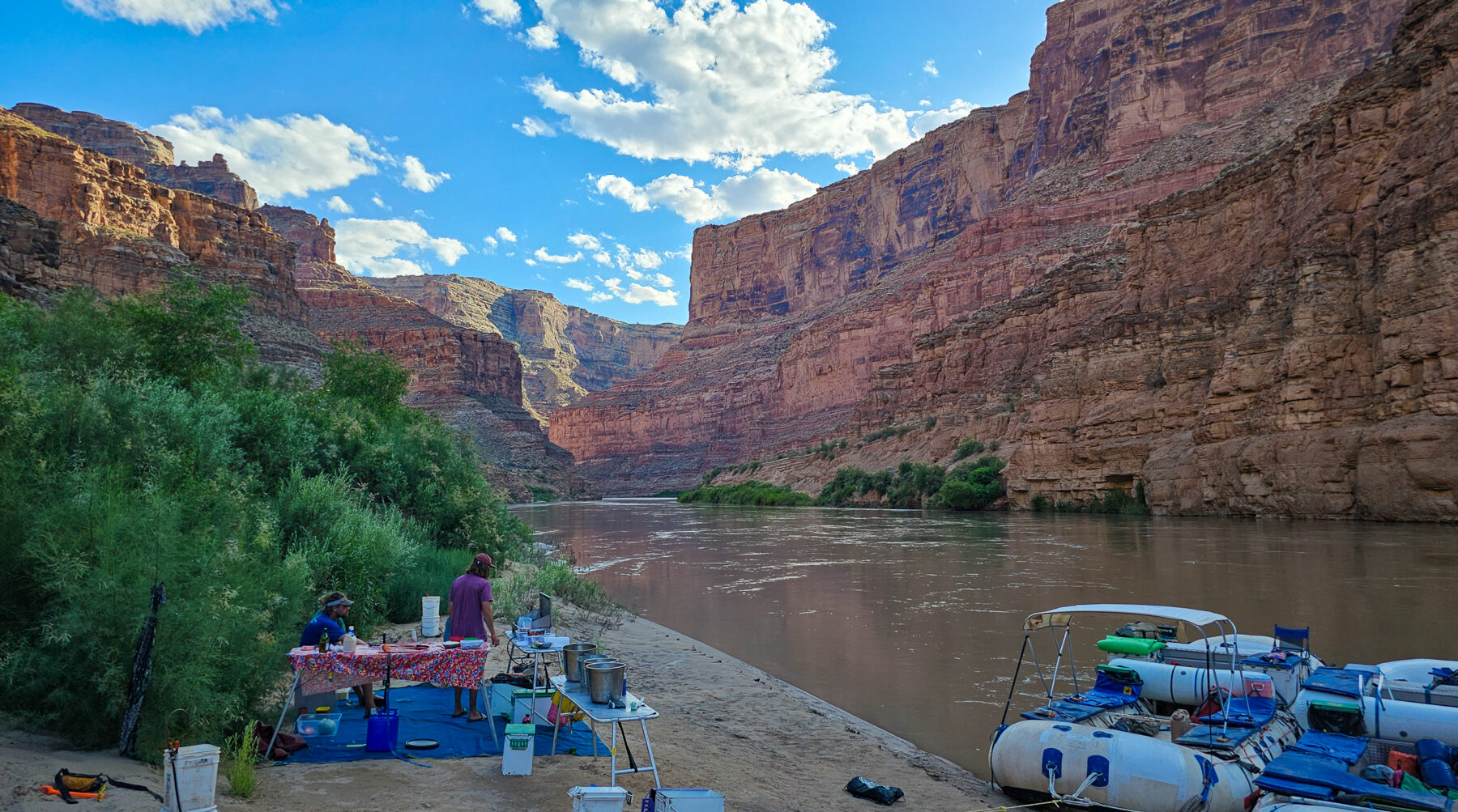

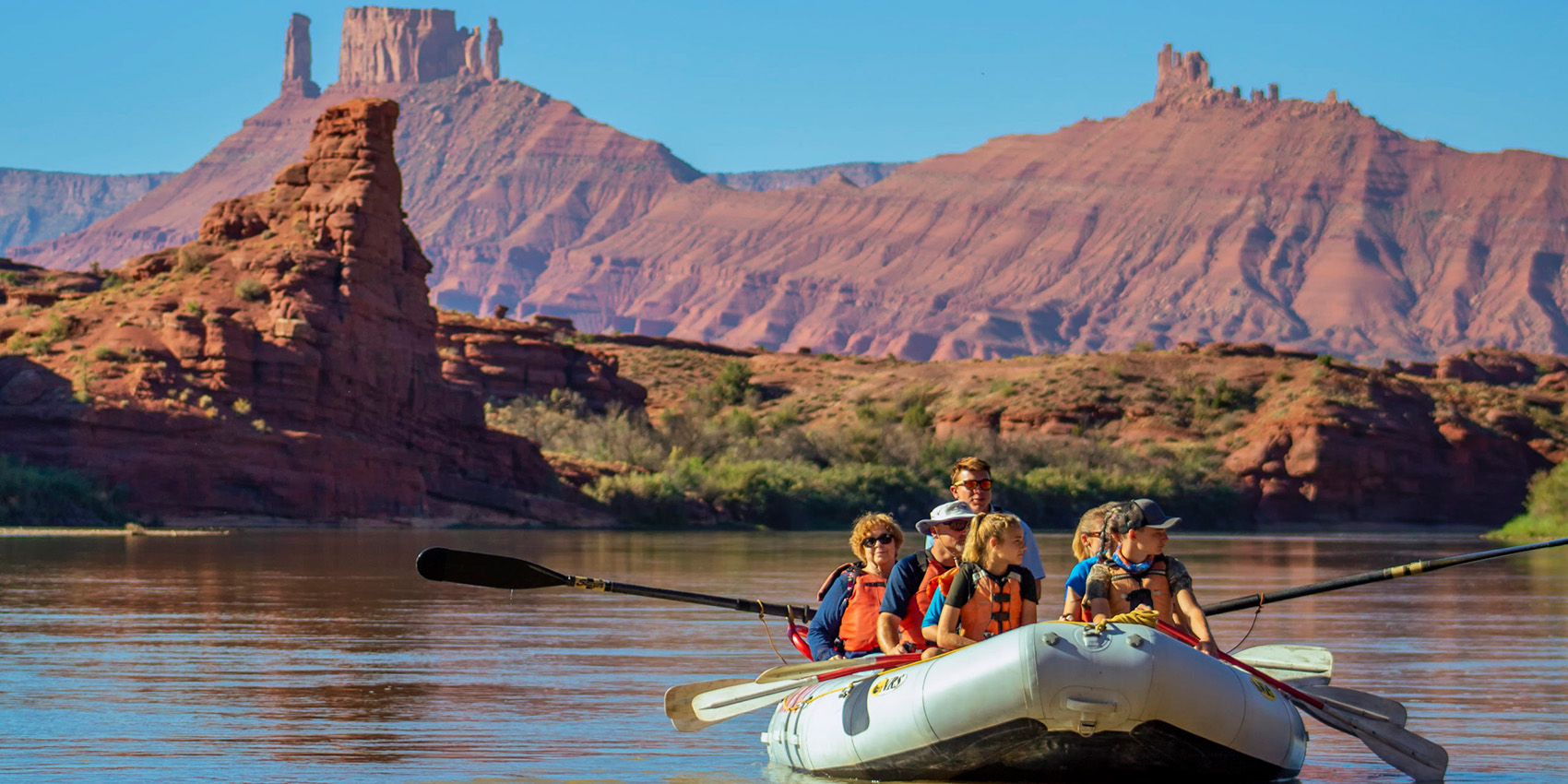
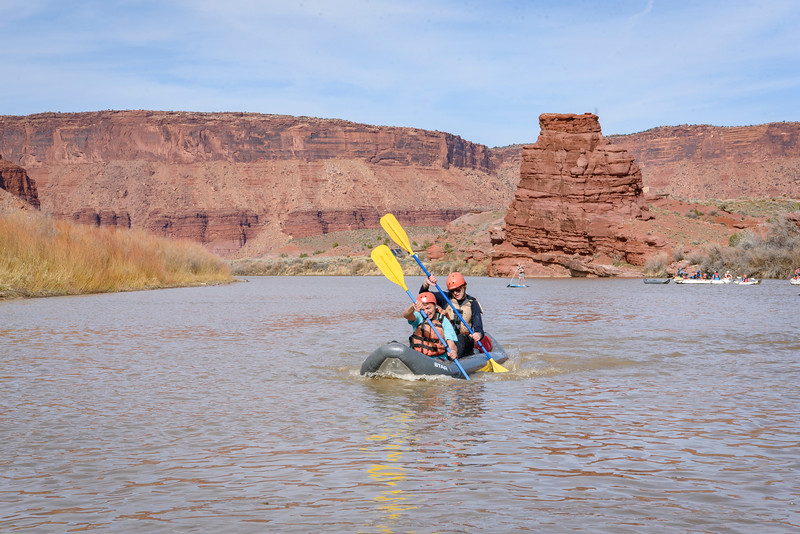

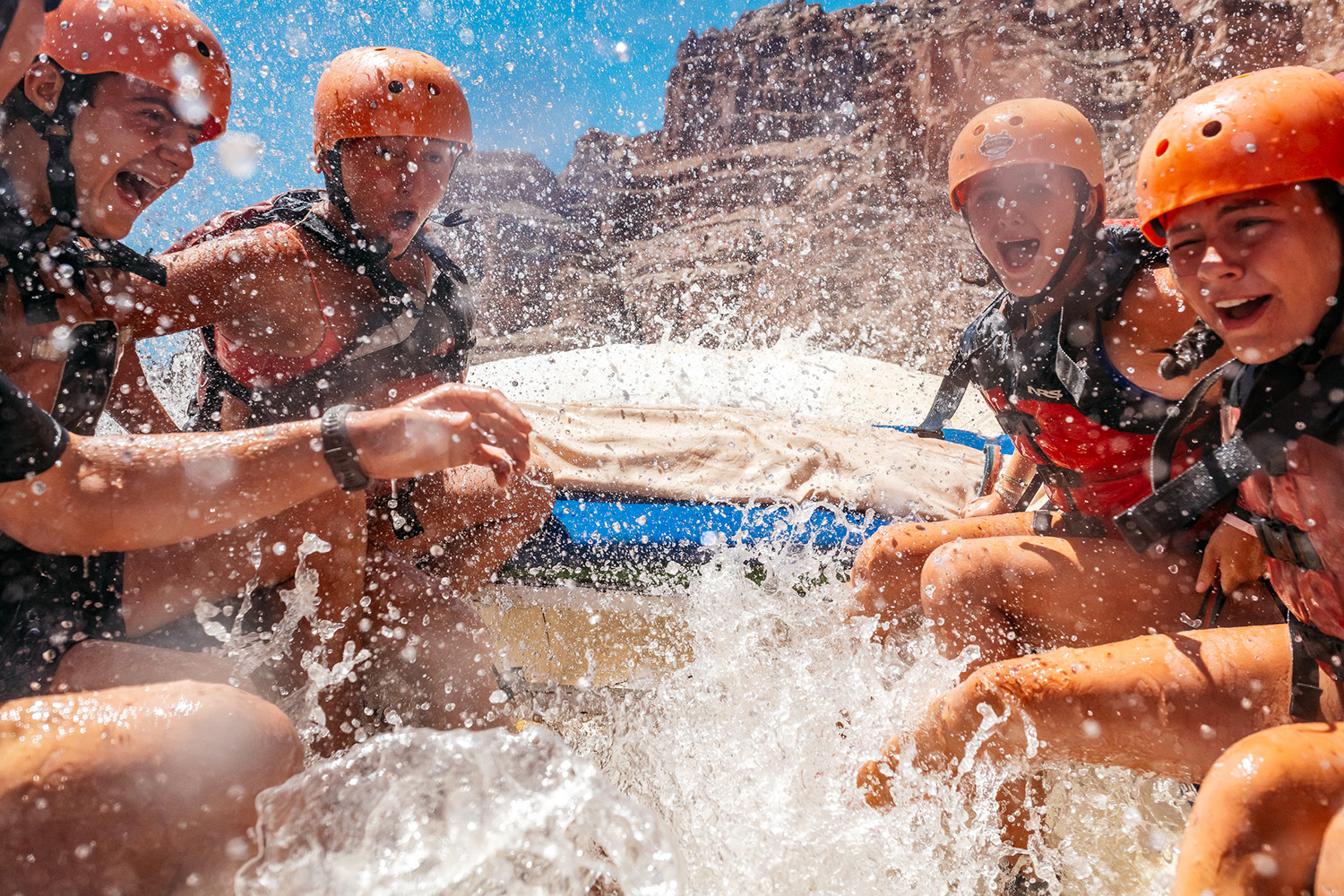
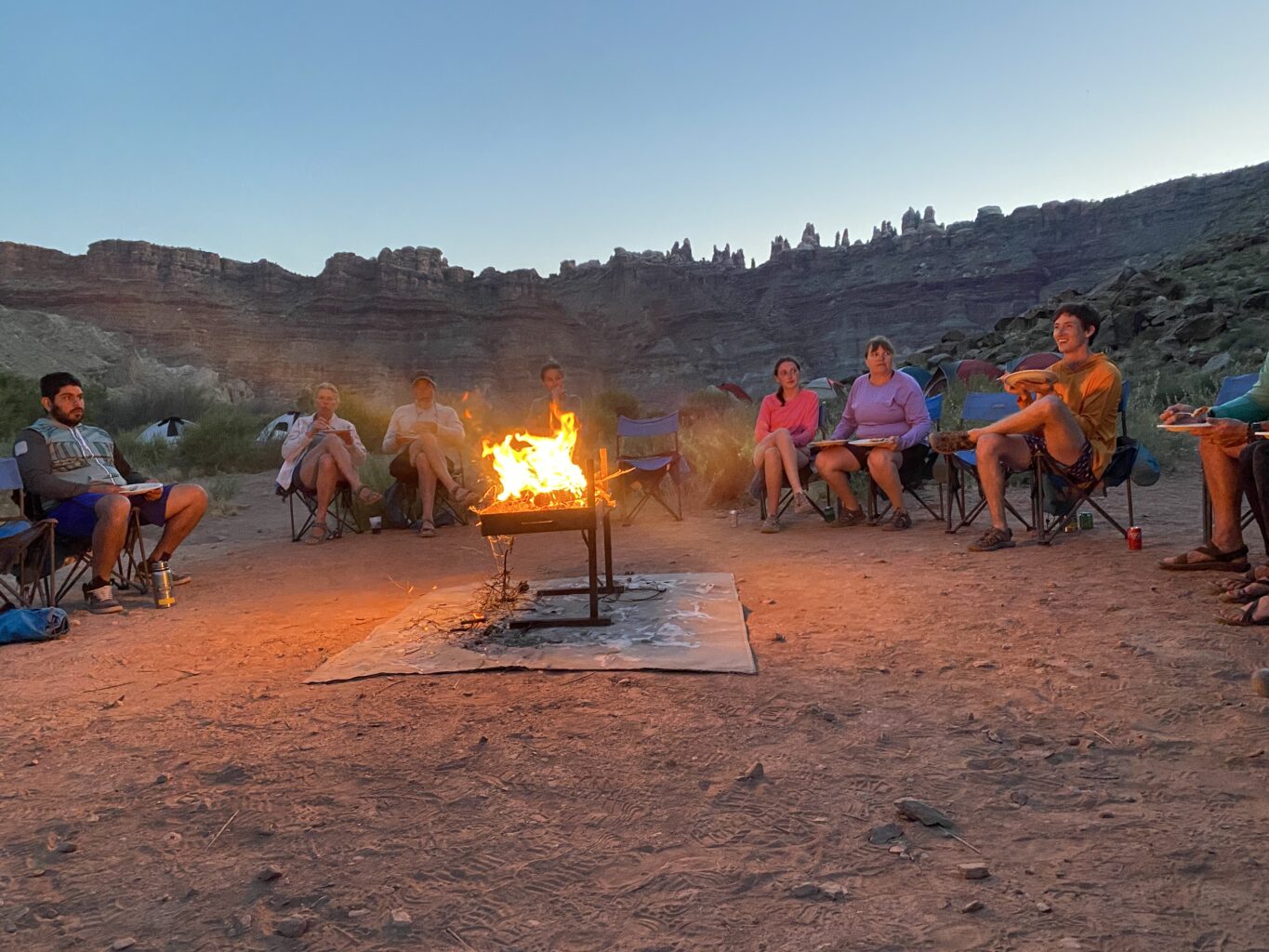
More About Rafting the Colorado River
History of the Colorado River
Indigenous History
For more than a thousand years before modern exploration, the canyons of the Colorado River supported thriving Indigenous cultures. Between AD 300 and 1300, the Ancestral Puebloan and Fremont peoples lived, farmed, and built communities across what is now Moab, Canyonlands National Park, and the greater Colorado Plateau. They grew maize, beans, and squash on floodplain terraces, constructed granaries and dwellings in sandstone alcoves, and developed small-scale irrigation systems tied to the river’s seasonal flows.
Remnants are prominent along the river corridor in Canyonlands National Park at sites such as Indian Creek. Guests who raft Cataract Canyon with Mild to Wild travel directly through this cultural landscape. Farther downstream, Glen Canyon once held thousands of archaeological sites before being submerged by Lake Powell.
John Wesley Powell’s Explorations
The Colorado River entered American awareness in 1869, when John Wesley Powell – a one-armed Civil War veteran and geologist – led the first documented expedition through the deep canyons of the Green and Colorado Rivers. Powell’s first descent began on May 24, 1869, in Green River, Wyoming, and followed the Green through Flaming Gorge, Lodore Canyon, Whirlpool Canyon, Desolation, Labyrinth, and Stillwater before meeting the Colorado at today’s Confluence in Canyonlands National Park. From there, Powell’s crew pushed into Cataract Canyon, navigating some of the largest rapids in the system, before continuing through Glen Canyon, Marble Canyon, and the Grand Canyon.
On August 30, 1869, after nearly 930 miles of uncharted river, the expedition ended at the confluence with the Virgin River, a location now submerged beneath present day Lake Mead. The descent was groundbreaking but nearly catastrophic. Powell’s 24-foot modified Whitehall boats were extremely heavy, rigid, and overloaded with supplies – unsuitable for violent rapids – resulting in wrecked boats, lost food, and destroyed equipment. Three men abandoned the expedition just before the Grand Canyon’s most dangerous stretch, never to be seen again. Powell survived, but much of his scientific work remained incomplete.
Powell returned for a second expedition in 1871-1872, again beginning at Green River Station and traveling to the Virgin River terminus. This time his team used purpose-built Whitehall-style boats that were lighter, more maneuverable, and far better sealed against swamping. Improved design, watertight compartments, better logistics, and a trained scientific crew allowed Powell to map, photograph, and document the canyons with precision, shaping America’s understanding of Western geology and water.
Outlaws and the Wild West
As Powell’s era of exploration gave way to the late 19th century, the river’s canyons became havens for outlaws escaping the fading frontier. On June 24, 1889, Butch Cassidy and his partners robbed the San Miguel Valley Bank in Telluride, fleeing west with nearly $20,000 – about $680,000 today. Their escape route carried them through Utah’s Canyonlands, where they crossed the Colorado River near Moab.
From the crossing, Cassidy’s gang disappeared into Robbers Roost, a maze of tributary canyons used to hide horses, cattle, and stolen goods. Once resupplied, they traveled north to Brown’s Park, located in the Green River Valley just below Flaming Gorge Reservoir, one of the Wild Bunch’s most long standing hideouts.
Major Rafting Sections of the Colorado River
Upper Colorado River – Kremmling, CO
Class I–II • Ideal for families, first-timers, and sightseers
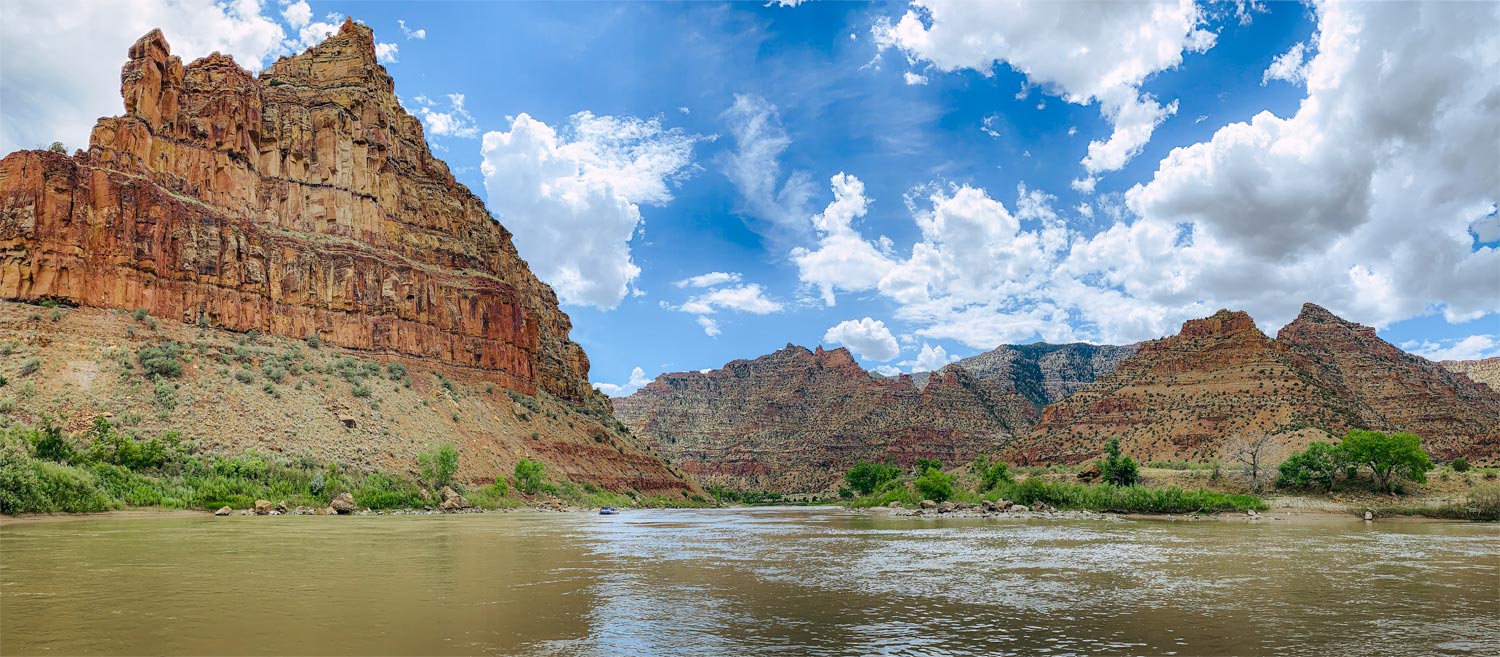
The Upper Colorado River flows for 14–25 (depending on the takeout) miles through Hartman and Red Gorge Canyons. Intermittent broad mountain valleys, sandstone cliffs, and cottonwood groves make this section a scenic delight. Its mix of gentle Class I & II rapids and calm pools makes it one of the best introductory rafting sections in Colorado. Two and three day trips offer beach camping, stargazing, and side hikes.
Shoshone – Glenwood Canyon, CO
Class III–IV (depending on water levels) • Great for adventure seekers & experienced rafters
The Shoshone stretch squeezes intense whitewater into 2 miles of rapids, followed by up to 7 miles of scenic floating downstream. Rapids like Maneater, The Wall, and Tombstone thunder through a metamorphic gorge with 2,000 foot walls.
Ruby Horsethief Canyon – Grand Junction, CO
Class I • Perfect for families, sightseers, and overnight campers
The 25-mile Ruby Horsethief section is a calm desert float through towering Entrada and Wingate sandstone cliffs. Sandy beaches, shaded camps, wildlife viewing, and peaceful water make it a top choice for families and groups seeking a mellow overnight wilderness experience.
Westwater Canyon – Eastern Utah
Class III–IV • Best for adventure seekers and experienced rafters
The 17-mile Westwater Canyon corridor drops through black schist narrows and red-rock walls, delivering punchy Class III & IV rapids like Funnel Falls, Sock-It-To-Me, and Staircase. Its 1.7-billion-year-old rock and big wave whitewater earn it the nickname “The Little Grand Canyon.”
Castle Valley/Fisher Towers — Moab, UT
Class I–III • Great for families, first-timers, sightseers
Castle Valley is one of the most popular sections of the Colorado River. This 13-mile stretch of the lower Colorado flows through the settlement of Castle Valley below the iconic Fisher Towers rock formations. Splashy Class II waves, glowing red canyon walls, and 12,000 foot volcanic peaks create one of the most scenic and accessible family rafting trips in the western United States.
Cataract Canyon – Canyonlands National Park, UT
Class III–V • Ideal for multi-day adventure travelers & big water fans
Nearly 96 miles long, Cataract Canyon delivers enormous Class III-V whitewater. The section begins just below the confluence of the Green and Colorado Rivers. Multi-day trips (2–5 days) combine calm canyon floats, ancient sites, slot canyons, red-rock walls, and some of the biggest waves in North America.
Grand Canyon – Arizona
Class III–V • For serious adventure seekers & expedition travelers
Stretching 226 miles, the Grand Canyon delivers some of the greatest rapids on earth to the likes of Granite, Horn, Crystal, and Lava Falls. A pillar of rafting in the American West, it is no wonder it is one of the 10 wonders of the world. Multi-day trips last 7–18 days, depending on the method of river travel (rowing or motor) and allocated time for wondrous side hikes.
River Conditions & Seasonality
The Colorado River’s character shifts dramatically with the seasons, driven by snowmelt from the Rockies, desert heat, and upstream reservoir releases. In spring (April through June), melting snowpack pushes the river toward its highest flows of the year. Temperatures across the basin remain cool, with air temperatures ranging from 45-75°F on the Upper Colorado River (including the Upper Colorado and Shoshone sections) and 60-90°F along the Lower Colorado River (Ruby Horsethief, Westwater, Castle Valley, and Cataract Canyon). Water temperatures remain cold, generally 45-52°F on the upper stretches near Kremmling and Glenwood Canyon, and 48-55°F through the lower sections between the Grand Junction and Canyonlands regions. River flows peak in the spring: the Upper Colorado commonly runs between 2,000 and 4,500 CFS, the Castle Valley stretch between 6,000 and 20,000 CFS, and Cataract Canyon can surge from 30,000 to over 60,000 CFS during high runoff years. These flows create fast water and powerful hydraulics, especially in the lower canyon stretches, where Cataract Canyon regularly produces Class IV and V whitewater. Guests rafting in spring should expect brisk water, faster river travel, and consistently exciting rapids, with wetsuits strongly recommended.
Late June through July brings warmer and more consistent rafting conditions. Air temperature highs range from 65-90°F on the Upper Colorado and 80-105°F along the Lower Colorado River. Water temperatures warm to 52-60°F on the upper sections and 60–75°F on the lower sections. As the snowmelt diminishes, flows stabilize around 800-1,800 CFS on the Upper Colorado and 3,000-8,000 CFS through Castle Valley and Westwater, and 10,000-25,000 CFS in Cataract Canyon. Rapids in the lower canyon stretches remain strong but become less surging and more predictable, shifting from crashing haystack like waves to more distinct features. This period offers the most comfortable combination of warm weather, steady flows, and approachable rapids, making it the prime season for first timers, families, and scenic floaters across the upper and lower river sections.
Fall (September through October) brings mild days, cool nights, and clear skies along the entire basin. Air temperatures generally range from 50-80°F on the Upper sections and 65-90°F on the Lower sections. Water temperatures remain surprisingly warm after heating all summer. Typical ranges on the upper and lower sections are 52-58°F and 65-75°F respectivley. Flow levels settle into their lowest and most stable point of the season: 600-1,200 CFS on the upper river, 2,000-6,000 CFS through Castle Valley and Westwater, and 5,000-15,000 CFS in Cataract Canyon. These late season flows reveal more beaches, calmer currents, and turn Cataract Canyon into a scenic Class III-IV technical big-drop run rather than the powerful Class V surge seen in early summer. Fall is ideal for guests who value scenery, warm water, and comfortable hiking conditions..
Historical and real time data can be checked for each specific section of the Colorado River on the USGS website. The Upper Colorado Monitoring locations are generally found under the state of Colorado and the Lower Colorado monitoring locations can be found under the state of Utah.
Trip Options

Colorado River
- Season: March – Nov
- Adventure Level: High
- Duration: 2, 3, 4, 5 or 6 days
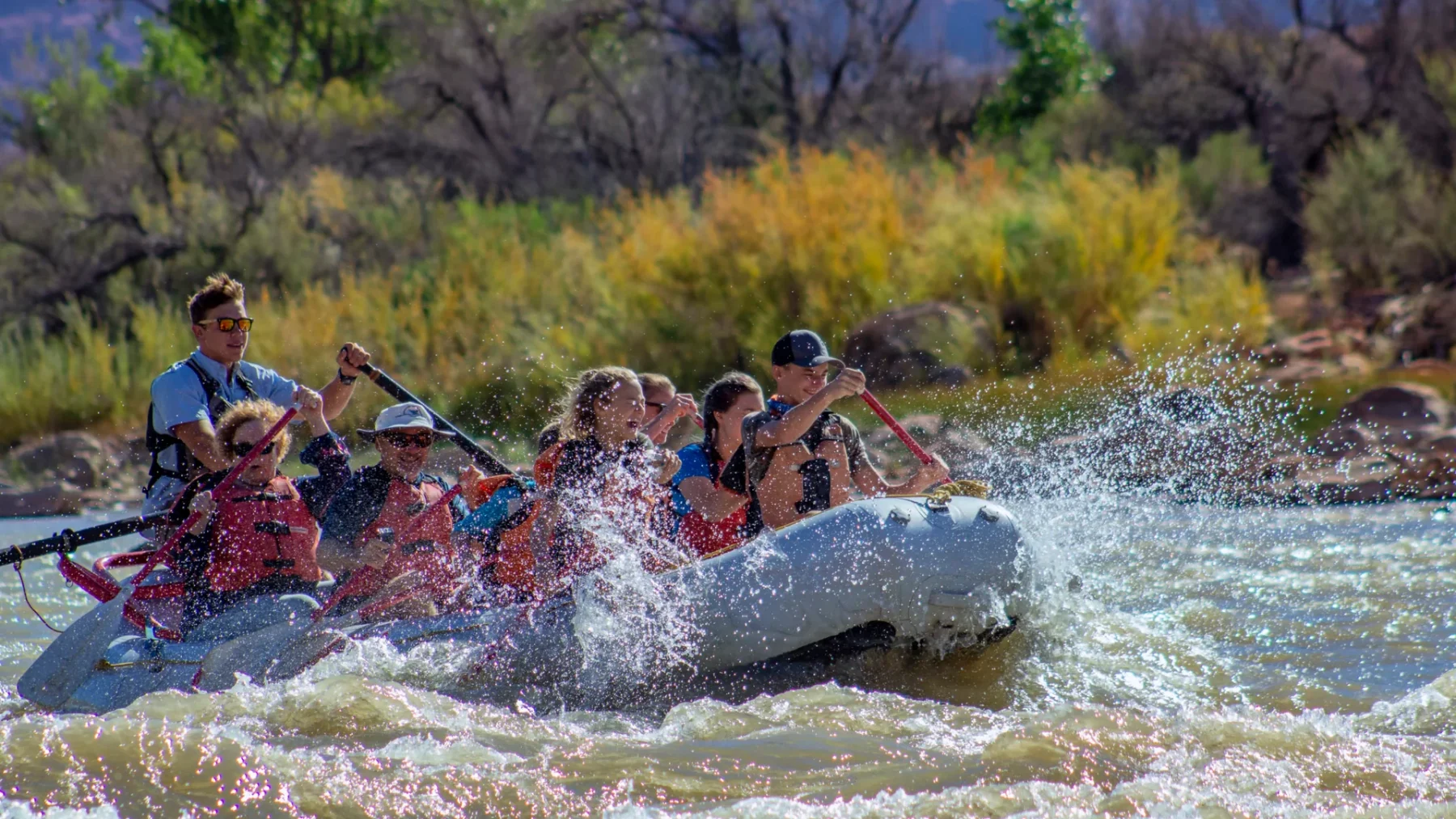
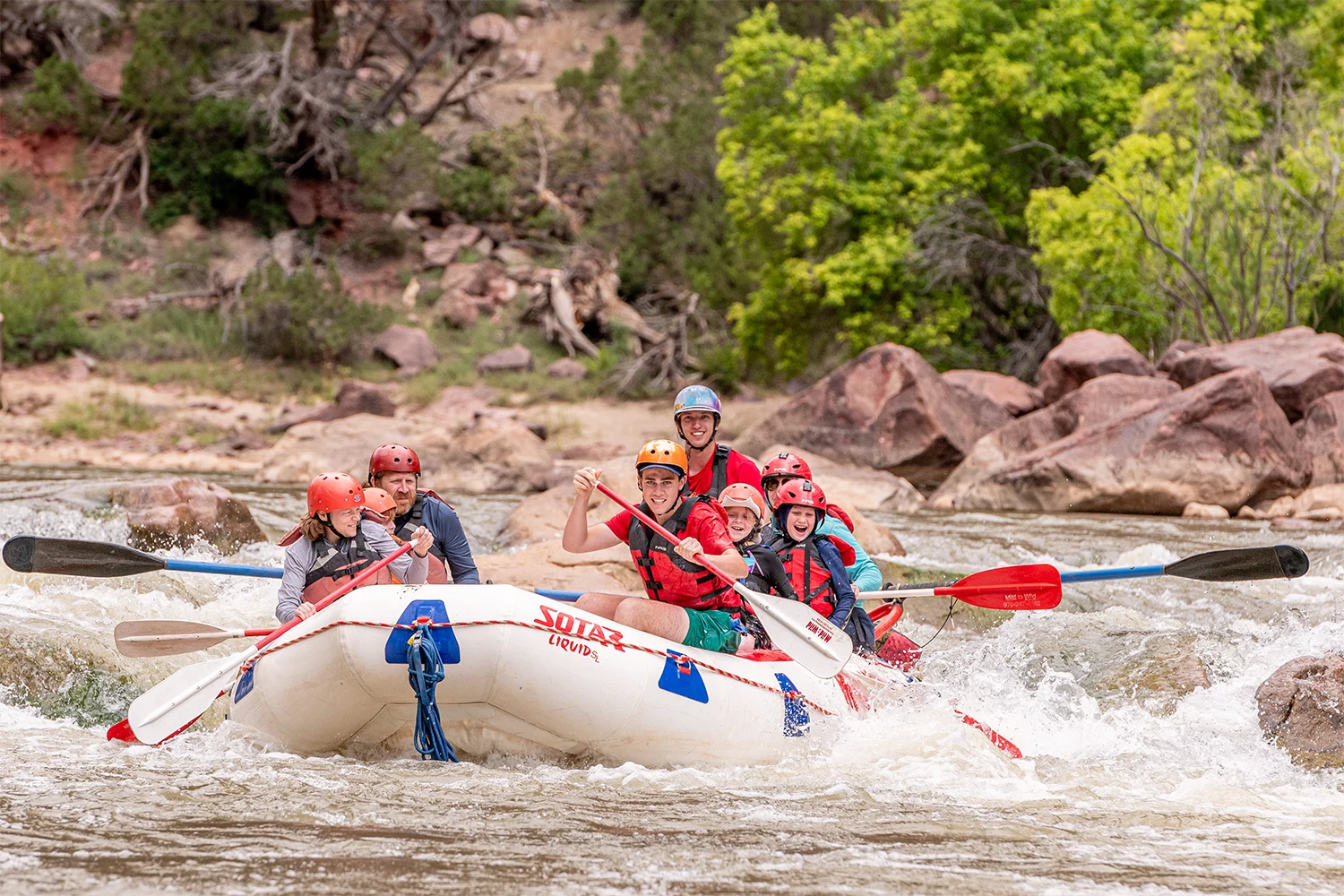

Grand Junction, CO
- Season: Apr – Sept
- Adventure Level: Mild
- Duration: 2 or 3 days
Why Raft the Colorado River with Mild to Wild?

Trip Provisions
- Neoprene wetsuits & boots available for rent
- Custom, quality, & Coast Guard approved river equipment
- Round trip transportation from meet location
Professional, Interpretive & Entertaining Guides
- Trip leaders average 2,000 river miles
- Certified in CPR & First Aid
- Pay incentives for higher certification levels including WFR, EMT, & Swift Water Rescue
- Dedicated company division to risk management, guided training, and continuing guide education
Our Commitment
to You
Reviews from our guests


 Trustindex verifies that the original source of the review is Google.
 Trustindex verifies that the original source of the review is Google.
 Trustindex verifies that the original source of the review is Google.
 Trustindex verifies that the original source of the review is Google.
 Trustindex verifies that the original source of the review is Google.
 Trustindex verifies that the original source of the review is Google.
 Trustindex verifies that the original source of the review is Google.
 Trustindex verifies that the original source of the review is Google.
 Trustindex verifies that the original source of the review is Google.
 Trustindex verifies that the original source of the review is Google.
What are you waiting for? Call today (800) 567-6745 OR (970) 247-4789
Payments & Cancellations
A little clarity before you commit. Call us for alternative payment arrangements.
Daily trips
Payment: 50% down, remaining 50% charged 30 days before your trip.
Cancellation: Full refund with written notice 24 hours or more before departure. No refund with less notice.
Optional trip change policy:
Up to 12 hours prior to departure, daily rafting trips can be rescheduled for a different day and/or time. The price of this change policy is 5% of the total trip cost. Upgrade only available at time of reservation and must be applied to each seat.
Longer trips subject to Cancellation Policy
Multi-day trips
Payment: 35% down, 35% charged 180 days before the trip, and 30% charged 60 days before. Reserve within 180 days with 70% down; Trips reserved within 60 days require payment in full.
Cancellation:
- 60+ days: Receive a refund less $200 per person unrecoverable fees.
- 45+ days: Reschedule for another trip/date, or receive Mild to Wild gift certificate less $200 per person.
- Less than 45 days, unfortunately there will be no refund. Substitutions/name changes are allowed.
- RoamRight Travel Insurance is recommended to help cover unforeseen circumstances, such as cancelled flights, sickness or medical evacuations.
- Guests needing to be evacuated from the canyon will be charged a minimum of $1,000 per person.
Fees & departures
A 9% river and land access fee is added to listed prices. Four participants or paid seats are required to depart. River or location may change with conditions and minimum participation.
Need a little more time?
Ask for a payment-free, 24-hour courtesy hold while you finalize your plans.
Trip Departure Policy
We reserve the right to switch river/locations based on current conditions and a minimum number of participants. This trip requires 4 participants or paid seats to depart.
Free Courtesy Hold
We don’t want you to miss out on this trip so we’ll hold your spots, payment-free, for 24hrs while you make your final arrangements & prepare for payment.
Frequently Asked Questions
What are the water temperatures on the Colorado River?
Water temperatures vary widely by section and season. On the Upper Colorado, water generally ranges from 45-60°F, staying on the cooler side due to fresh mountain snowmelt. Downstream in the Lower Colorado River in the Ruby Horsethief, Westwater, and Castle Valley sections the water warms significantly as it moves through sun exposed desert canyons, reaching 56-75°F in late June, July, August, and early fall. Cataract Canyon fluctuates more dramatically, ranging from 48-78°F depending on runoff, flow volume, and time of year.
When is the Colorado River at its biggest?
Peak runoff in early to middle of June produces the largest flows of the year across all sections. Castle Valley, Ruby Horsetheif, and Westwater routinely reaches 10,000-30,000 CFS. Cataract Canyon sees the most dramatic surges, commonly ranging from 30,000 to over 60,000 CFS in high-water years. These peak flows create powerful hydraulics and enormous waves in Cataract Canyon, sometimes exceeding 20 feet in height. As the season moves into July and flows stabilize, the river becomes more predictable and technical. The Upper Colorado in Hartman and Red Gorge Canyons on average peaks around 3,000 and the Shoshone section in Glenwood Canyon peaks around 9,000.
What is the best time of year for families and first time rafters to raft the Colorado River
Late June through August offers the most consistent and comfortable family friendly conditions. During this period, both the Upper and Lower areas of the Colorado River experience warm air temperatures ranging from mid 70’s to 100 degrees or warmer. Water flows return to moderate ranges offering smaller rapids for a generally more moderate river experience.
What section of the Colorado River has the biggest rapids?
Cataract Canyon and the Grand Canyon have the biggest rapids on the Colorado river. The biggest commercially ratable rapids on Cataract Canyon are Big Drop 1 and Big Drop 2 and the Biggest rapids on the Grand Canyon are Crystal Rapid and Lava Falls. Since the construction of Glen Canyon Damn, water flows in the Grand Canyon have become more consistent and less volatile resulting in a median baseflow between 10,000 and 20,000 CFS all year round. Cataract Canyon is less impacted by damns, resulting in more variable flows with peaks ranging between 30,000 and 70,000 each year. Peak flows on Cataract Canyon typically result in the largest hydrolic formations on the Colorado River in the post Glen Canyon Damn era with waves in Big Drop 2 rapid reaching nearly 20ft in height.
How long is the Colorado River?
The Colorado River is 1,450 miles long. Its headwaters begin in Rocky Mountain National Park in Colorado. Subsequently, it winds it’s way through Utah, Arizona, Nevada, and California before entering the pacific ocean in Northern Mexico. It is the 5th longest river in the United States. The river is most commonly rafted in Colorado, Utah, and Arizona.
Is Colorado River rafting in Colorado
“Yes, there is rafting on the Colorado River in the state of Colorado; however, the most commonly rafted sections of the Colorado River are in Utah and Arizona. The sections in Utah are often referred to as the Lower Colorado River and include Westwater, Castle Valley/Fisher Towers near Moab, and Cataract Canyon. Rafting on the Colorado River in Arizona is on the Grand Canyon and is a minimum 7-day trip. In Colorado, the Colorado River is rafted on the Upper Colorado section and in Glenwood Canyon. The Upper Colorado section of the Colorado River includes Hartman and Red Gorge Canyons—sometimes referred to as Lower Gore canyon as it begins just below a non-commercially rafted section of the Colorado River known as Gore Canyon. Glenwood Canyon of the Colorado River in Colorado includes the two-mile rapid section known as Shoshone. Please be aware that while technically Glenwood Canyon is a different section than the Upper Colorado, the term “Upper Colorado River Rafting” can be used in generalization to include both sections. Similarly, the Ruby Horsethief section isn’t technically part of the Lower Colorado River, but in generalization the term “Lower Colorado River Rafting” can be inclusive of that section as well.
More Reading and Videos
How To Dress For Desert Rafting Trips – Protect Yourself From The Elements
Leave No Trace – How To Conserve Our Beautiful Rivers & Other Wild Spaces
